
Skin and hair Rejuvenation
PRP Hair | PRP Skin | HydraFacial | Acne Facial | Chemical Peel | Skin Pen Microneedling
We offer a range of aesthetic options that can reduce the signs of aging and sun damage, as well as treat acne and acne scarring. At Larchmont Dermatology, we strive to customize a treatment plan to fit your concerns and budget over the long term.
PRP Therapy is a non-surgical treatment using your own blood that is rich in growth factors for certain types of hair loss. The first step is scheduling a consultation to evaluate your hair loss or thinning to determine if PRP would be an effective treatment for you. The PRP visit begins with having your blood drawn in our office. Your platelet rich plasma is then isolated from the other components of your blood using a centrifuge. Using small syringes, your platelet rich plasma is injected into areas of hair loss or thinning on your scalp to stimulate hair growth. Typical results include increased hair growth, increased hair density, and decreased shedding, though results may vary.
For optimal results, a series of three treatments are performed one month apart, followed by maintenance treatments (frequency of which is patient dependent). Results will be visible at 3-4 months after scalp injections.
PRP (Platelet rich plasma) therapy for hair growth
-
A good candidate for PRP hair treatment is an adult experiencing early to moderate hair thinning or loss, typically due to androgenetic alopecia (pattern baldness). Ideal candidates still have active hair follicles, have a healthy scalp, are in good overall health, and have realistic expectations for a gradual, non-surgical treatment.
-
PRP requires multiple sessions, typically 3 or more scheduled one month apart, and results are notable 3-4 months after scalp injections. Results last 3-6 months, and maintenance treatments are often needed.
-
Common potential side effects include mild discomfort, swelling, or bruising at the injection sites. Our office utilizes specialized techniques to enhance patient comfort during the procedure.
PRP Therapy is an effective non-surgical treatment using your own blood that is rich in growth factors for skin rejuvenation and improvement of skin quality. PRP therapy for the skin begins with having your blood drawn in our office. Your platelet rich plasma is then isolated from the other components of your blood using a centrifuge. In combination with microneedling or even on its own, your PRP is injected back into your skin. The results: improvement in wrinkles and fine lines, more even skin tone and brighter skin.
For optimal results, a series of three treatments are performed one month apart, followed by maintenance treatments (frequency of which is patient dependent).
PRP (Platelet rich plasma) therapy for skin rejuvenation
-
A good candidate for PRP skin treatment is someone seeking a non-surgical approach to improve skin tone, texture, and glow, particularly those dealing with early signs of aging like fine lines, wrinkles, pigment, melasma, or acne scars.
-
Results in your skin may be seen 1-2 weeks after PRP, and continue to improve from there.
-
Common potential side effects include redness, mild discomfort, swelling, bruising, and peeling at the injection sites. Our office utilizes specialized techniques to enhance patient comfort during the procedure.
HydraFacial is a non-invasive skincare treatment that combines cleansing, exfoliation, extraction, hydration, and antioxidant protection all in one session. It uses a unique Vortex-Fusion delivery system to cleanse and hydrate the skin while removing impurities and dead skin cells. The treatment is suitable for all skin types and addresses various skincare concerns such as fine lines, wrinkles, uneven skin tone, and congested pores. HydraFacial is known for providing instant results with no downtime, making it a popular choice for those looking to improve the overall health and appearance of their skin.
HydraFacial
-
A typical HydraFacial treatment usually takes 30 to 45 minutes to complete, but can vary depending on the specific needs of the individual and any additional enhancements or extras included in the treatment. The process involves multiple steps, including cleansing, exfoliation, extraction, hydration, and antioxidant protection, all of which contribute to the overall effectiveness of the treatment.
-
The frequency of HydraFacial treatments can vary depending on individual skin concerns and goals, but for most people, a series of treatments is recommended to achieve and maintain optimal results. Typically, we suggest starting with a series of treatments spaced 4 weeks apart, followed by maintenance treatments as needed to sustain the benefits of the HydraFacial and keep the skin looking healthy and radiant.
-
After a HydraFacial treatment, you can expect your skin to feel refreshed, hydrated, and rejuvenated. Many patients notice immediate improvements in skin texture, tone, and overall radiance. Skin may appear smoother, more even-toned, and plump due to the deep cleansing, exfoliation, and hydration provided by the treatment. Some individuals may experience mild redness or tightness immediately after the HydraFacial, but this usually subsides quickly. It is essential to follow post-treatment skincare recommendations to maintain and enhance the results of the HydraFacial. Overall, you can expect your skin to look and feel revitalized, glowing, and more youthful after a HydraFacial treatment.
Acne Facial
An acne facial is a specialized treatment designed to target and treat acne-prone skin. It typically involves deep cleansing, exfoliation, extraction of blackheads and whiteheads, and the application of products specifically formulated to help reduce acne breakouts and inflammation. This type of facial can help improve the appearance of acne and promote clearer, healthier skin.
-
During an acne facial, you can expect a thorough cleansing of the skin to remove dirt, oil, and impurities. The aesthetician may perform gentle exfoliation to unclog pores and remove dead skin cells, as well as perform extractions to remove blackheads and whiteheads. Specialized acne-fighting products, such as masks or peels will be applied to help reduce inflammation and prevent future breakouts. This facial may also include the application of moisturizer and sunscreen to protect and nourish the skin. Overall, you can expect a tailored treatment focused on addressing acne concerns and promoting clearer, healthier skin.
Chemical Peels
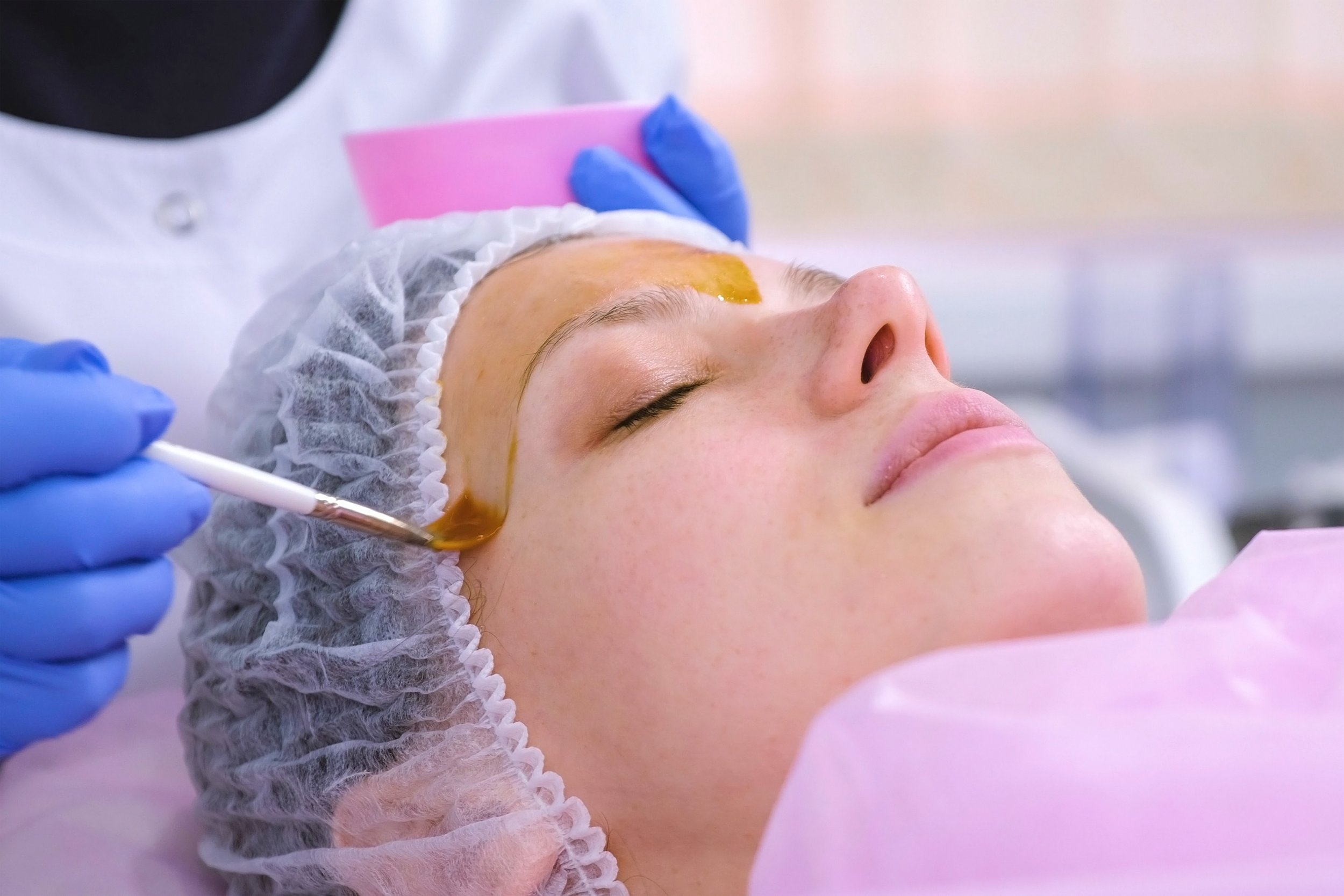
Chemical peels are a cosmetic treatment where a chemical solution is applied to the skin to exfoliate and eventually peel off, revealing smoother, rejuvenated skin underneath. It can help improve skin texture, reduce fine lines and wrinkles, and even out skin tone. There are different types of chemical peels available, ranging from superficial to deep, depending on skin concerns and the desired results.
-
During a chemical peel, you can expect an aesthetician to cleanse your skin thoroughly before applying the chemical solution. Depending on the type of peel, you may experience a temporary tingling or stinging sensation as the solution is applied. As the peel works to exfoliate the skin, you may experience redness, tightness, and some peeling in the days following the treatment. It is important to follow our post-procedure care instructions provided which include avoiding sun exposure and using gentle skincare products. Overall, you can expect your skin to gradually improve in texture, tone, and appearance as the old, damaged skin is shed, revealing fresher, smoother skin underneath. It is normal to experience some downtime depending on the intensity of the peel.
-
Avoid certain skincare products: In the days leading up to your appointment, avoid using harsh exfoliants, retinoids, and other potentially irritating skincare products to prevent any sensitivity during the peel.
Protect your skin: Wear sunscreen daily and avoid prolonged sun exposure in the days leading up to your appointment. Sun-damaged skin can be more sensitive to chemical peels.
SkinPen Microneedling
SkinPen microneedling is a cosmetic procedure that involves using a device with fine needles to create tiny punctures in the skin. This process stimulates the skin's natural healing process, leading to increased collagen and elastin production, which can improve the appearance of scars, wrinkles, and overall skin texture. It is a minimally invasive treatment that can help rejuvenate the skin and promote a more youthful appearance.
-
Good candidates for SkinPen microneedling are typically individuals looking to improve the appearance of scars, wrinkles, fine lines, uneven skin texture, or hyperpigmentation. It is suitable for all skin types and tones. However, it is important to consult with your provider and discuss your skin concerns and medical history.
-
The number of SkinPen microneedling treatments needed can vary depending on individual skin concerns and goals. Typically, a series of 3-6 treatments spaced 4-6 weeks apart is recommended for optimal results.
-
After a microneedling treatment, it is normal to experience some redness, swelling, and mild sensitivity in the treated area. You may also notice some pinpoint bleeding or bruising, which should subside within a few days. Your skin may feel tight and dry, and you may experience some flaking or peeling as your skin heals and regenerates. It is important to follow post-treatment care instructions provided by your skincare professional, such as avoiding sun exposure and using gentle skincare products. Over time, you can expect to see improvements in skin texture, tone, and overall appearance as collagen production is stimulated. Remember to stay hydrated and be gentle with your skin during the healing process.
Schedule Your Consultation
Find out which treatment is right for you and receive a customized plan by calling the office at (914) 833-3030 and scheduling a consultation.